Introduction: Why Non-Toxic Baby Essentials Matter
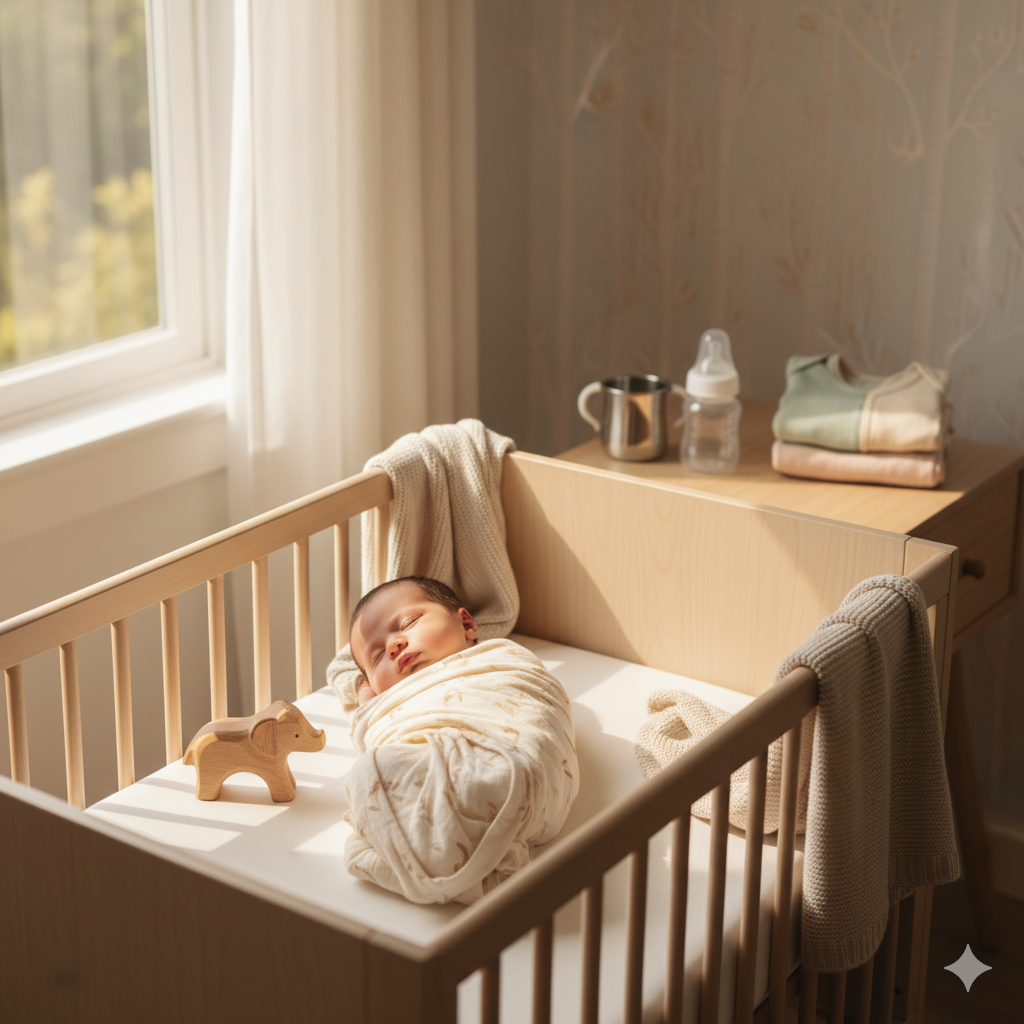
Welcoming a new baby is one of life’s most exciting moments—but it also comes with countless decisions about what’s safe and best for your little one. Today, more parents are seeking non-toxic, eco-friendly baby products to reduce exposure to harmful chemicals, protect sensitive skin, and help the environment.
From bottles and toys to diapers and skincare, the choices are overwhelming—but you don’t need to stress. This ultimate guide will walk you through the must-have non-toxic baby essentials for 2025, what to prioritize, and how to choose safe products confidently.
By the end of this guide, you’ll have a clear roadmap for creating a safe, eco-conscious nursery that’s gentle on your baby—and the planet.
What Does “Non-Toxic” Really Mean?
The term “non-toxic” is often used loosely, but for baby products, it generally means free from harmful chemicals such as BPA, phthalates, lead, parabens, and synthetic fragrances.
Look for products with certifications like:
-
GOTS (Global Organic Textile Standard) – ensures organic fibers and safe production processes
-
OEKO-TEX Standard 100 – certifies textiles are free from harmful substances
-
BPA-Free / Phthalate-Free – important for bottles, sippy cups, and teething toys
-
USDA Organic – commonly used for baby food, skincare, and clothing
Understanding these labels helps you make informed choices and avoid marketing gimmicks.
Top Categories of Non-Toxic Baby Essentials
Here’s a breakdown of the key product categories to focus on when building your non-toxic baby setup:
1. Feeding Essentials
-
Bottles: Glass or stainless steel bottles with BPA-free nipples are safest.
-
Breastfeeding Accessories: Silicone breast pump parts and organic nursing pads reduce chemical exposure.
-
Highchairs & Utensils: Look for sustainably sourced wood or BPA-free plastic.
2. Diapers & Changing
-
Cloth Diapers: Organic cotton or bamboo diapers avoid chemicals present in some disposables.
-
Disposable Diapers: Look for plant-based, fragrance-free, and hypoallergenic options.
-
Wipes & Creams: Use water-based wipes and zinc oxide creams without parabens or synthetic fragrances.
3. Clothing & Bedding
-
Clothing: Organic cotton onesies, pajamas, and hats reduce chemical exposure.
-
Bedding & Swaddles: Choose OEKO-TEX certified sheets, blankets, and swaddles.
Tip: Avoid flame-retardant fabrics, synthetic dyes, and rough fabrics that irritate baby’s skin.
4. Skincare & Bath Products
-
Use fragrance-free, paraben-free lotions, washes, and diaper creams.
-
Avoid mineral oil or petroleum-based products.
-
Optional: Introduce gentle, plant-based bath products like chamomile or calendula washes.
5. Toys & Play Items
-
Wooden, BPA-free, or silicone toys are safest for teething and play.
-
Avoid cheap plastic toys with unknown chemical content or strong odors.
-
Prioritize educational and sensory toys made from sustainable materials.
6. Baby Carriers & Gear
-
Look for organic cotton wraps and carriers.
-
Choose ergonomically designed products free of flame retardants and PVC.
How to Read Labels & Certifications
Understanding product labels is key to confidently choosing non-toxic baby essentials.
-
Check materials: Organic cotton, bamboo, silicone, stainless steel, and wood are usually safe.
-
Look for certifications: GOTS, OEKO-TEX, BPA-free, USDA Organic.
-
Avoid: PVC, phthalates, formaldehyde, parabens, and synthetic fragrances.
-
Research brands: Trusted brands often have transparency pages with full ingredient/product breakdowns.
Budget vs Premium: Where to Splurge & Save
Not all baby essentials require high-end investment—here’s a quick guideline:
Splurge:
-
Bottles & feeding gear (long-term safety)
-
Crib mattresses (avoid flame retardants)
-
Carriers & wraps (ergonomic support matters)
Save:
-
Onesies & basic clothing (buy organic but inexpensive options)
-
Simple toys (choose natural, affordable options)
-
Diapering basics (wipes, creams—compare bulk pricing)
Quick Checklist: Must-Have Non-Toxic Essentials
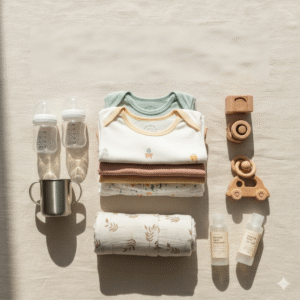
Here’s a snapshot of essential items to start with (0–6 months):
Feeding:
-
2–3 BPA-free bottles or glass bottles
-
Nursing pads & silicone pump accessories
-
Soft spoons and sippy cups
Diapers & Changing:
-
20–25 cloth diapers or eco-friendly disposables
-
Water-based wipes
-
Fragrance-free diaper cream
Clothing & Bedding:
-
5–7 organic cotton onesies
-
2–3 swaddle blankets (OEKO-TEX certified)
-
2–3 sleep sacks
Skincare & Bath:
-
Fragrance-free baby wash & lotion
-
Gentle diaper cream
-
Soft towels & washcloths
Toys & Gear:
-
2–3 wooden or silicone teething toys
-
Baby carrier or wrap (organic cotton)
Optional Extras:
-
Pacifiers (BPA-free)
-
Non-toxic nail clippers
-
Baby monitor / thermometer
What to Buy First
If you’re overwhelmed, start with feeding, diapers, and clothing, then gradually add skincare, toys, and gear. Prioritize safety and essentials first, and avoid impulse buys.
Final Thoughts
Non-toxic baby products don’t need to be intimidating. By understanding labels, choosing certified products, and prioritizing essentials, you can create a safe, nurturing environment for your baby while reducing chemical exposure.
Pro tip: Subscribe to our newsletter for ongoing non-toxic baby product reviews, checklists, and tips to stay up to date on safe baby gear in 2025.